

Gifting Made Simple
Give the Gift of ChoiceClick below to purchase a St. Laurent Shopping Centre eGift Card that can be used at participating retailers at St. Laurent Shopping Centre.Purchase HereHome
Dance Your Way Home - English Edition
Toys 'R' Us
Loading Inventory...
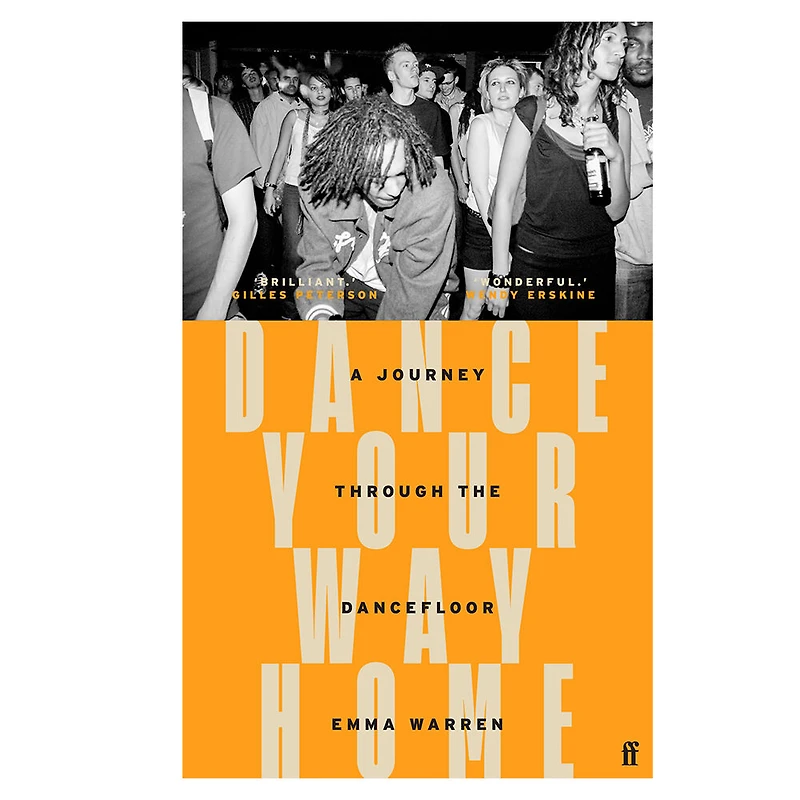
Dance Your Way Home - English Edition
By RainCoast Books
Current price: $42.95
Toys 'R' Us
Dance Your Way Home - English Edition
By RainCoast Books
Current price: $42.95
Loading Inventory...
*Product information may vary - to confirm product availability, pricing, shipping and return information please contact Toys 'R' Us
Why do we dance together? What does dancing tells us about ourselves, individually and collectively? And what can it do for us? Whether it be at home, '80s club nights, Irish dancehalls or reggae dances, jungle raves or volunteer-run spaces and youth centres, Emma Warren has sought the answers to these questions her entire life.
Dancing doesn't just refract the music and culture within which it evolves; it also generates new music and culture. When we speak only of the music, we lose part of the story - the part that finds us dancing as children on the toes of adults; the half that triggers communication across borders and languages; the part that finds us worried that we'll never be able to dance again, and the part that finds us wondering why we were ever nervous in the first place.
At the intersection of memoir, social and cultural history,
is an intimate foray onto the dancefloor - wherever and whenever it may be - that speaks to the heart of what it is that makes us move.
Why do we dance together? What does dancing tells us about ourselves, individually and collectively? And what can it do for us? Whether it be at home, '80s club nights, Irish dancehalls or reggae dances, jungle raves or volunteer-run spaces and youth centres, Emma Warren has sought the answers to these questions her entire life.
Dancing doesn't just refract the music and culture within which it evolves; it also generates new music and culture. When we speak only of the music, we lose part of the story - the part that finds us dancing as children on the toes of adults; the half that triggers communication across borders and languages; the part that finds us worried that we'll never be able to dance again, and the part that finds us wondering why we were ever nervous in the first place.
At the intersection of memoir, social and cultural history,
is an intimate foray onto the dancefloor - wherever and whenever it may be - that speaks to the heart of what it is that makes us move.
You May Also Like

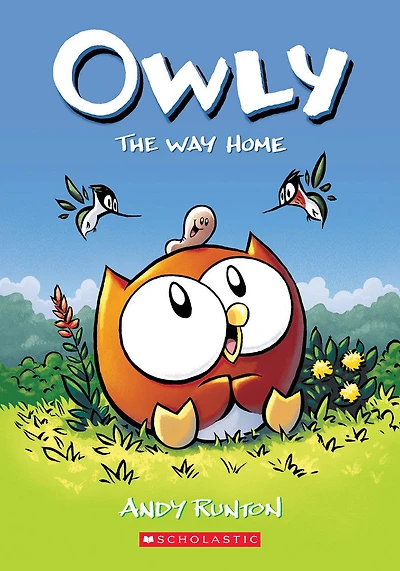
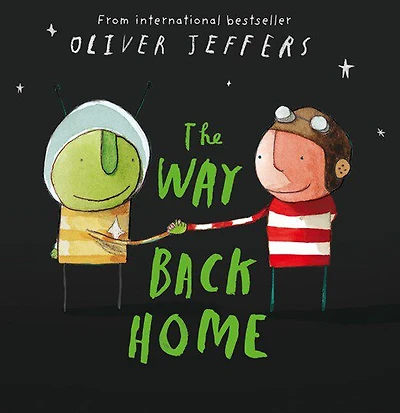

More About Toys 'R' Us at St. Laurent Shopping Centre
At Toys"R"Us Canada, we inspire endless possibilities of fun, imagination and wonder with our toys.
1200 St. Laurent Blvd, Ottawa, ON K1K 3B8, Canadahttp://toysrus.ca/
Find Toys 'R' Us at St. Laurent Shopping Centre in Ottawa, ON
Visit Toys 'R' Us at St. Laurent Shopping Centre in Ottawa, ON